
Scelaris connects systems, data, AI and people.
Monitoring, observability and systems integration — extended by local AI that understands what a signal means for your operation.
One path from signal to action
Every Scelaris engagement runs along the same operational path — from perceiving a signal to building the human competence to act on it.
01Detect
Perception via cameras, computer vision, sensors, and edge-based event detection.
02Monitor
Operational status and infrastructure health via Zabbix and network monitoring.
03Measure
Quantifying environmental and technical data: temperature, humidity, wind, and energy.
04Understand — the Intelligence Layer
The synthesis point. LLMs and VLMs correlate heterogeneous information, add operational context, and interpret what an event means for the specific situation.
05Act
Closing the loop through automated workflows, API integrations, and decisive alerts.
06Enable
Technology only creates value when people can operate it. Coaching and training turn the system into lasting internal competence.
We build and operate what we consult on
Every engagement below is a system Scelaris designed, built and runs — across three domains: infrastructure, vision, and local AI.
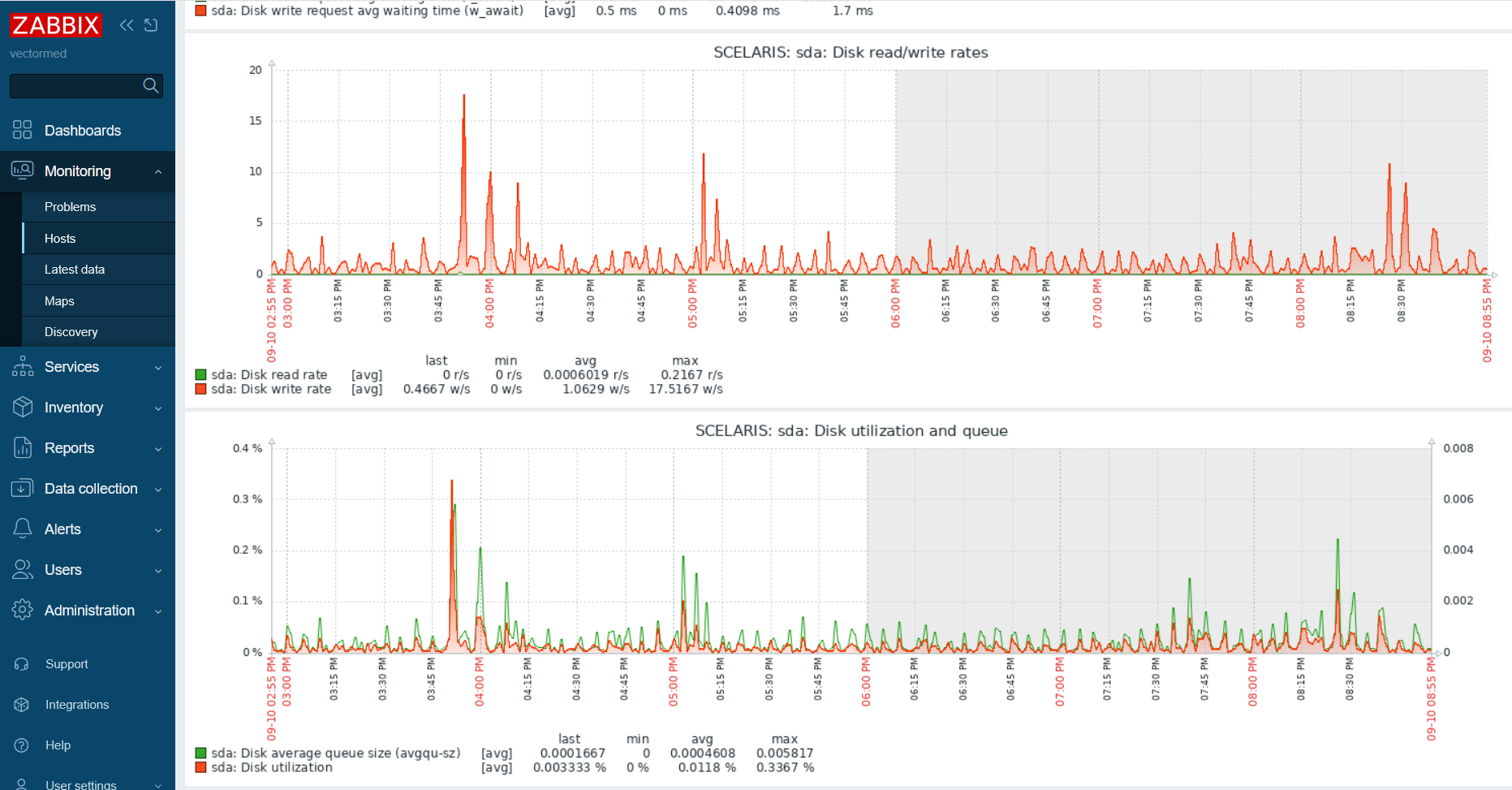
Zabbix-based service monitoring
Operational monitoring of the real Scelaris infrastructure — hosts, services, alerting.
View case →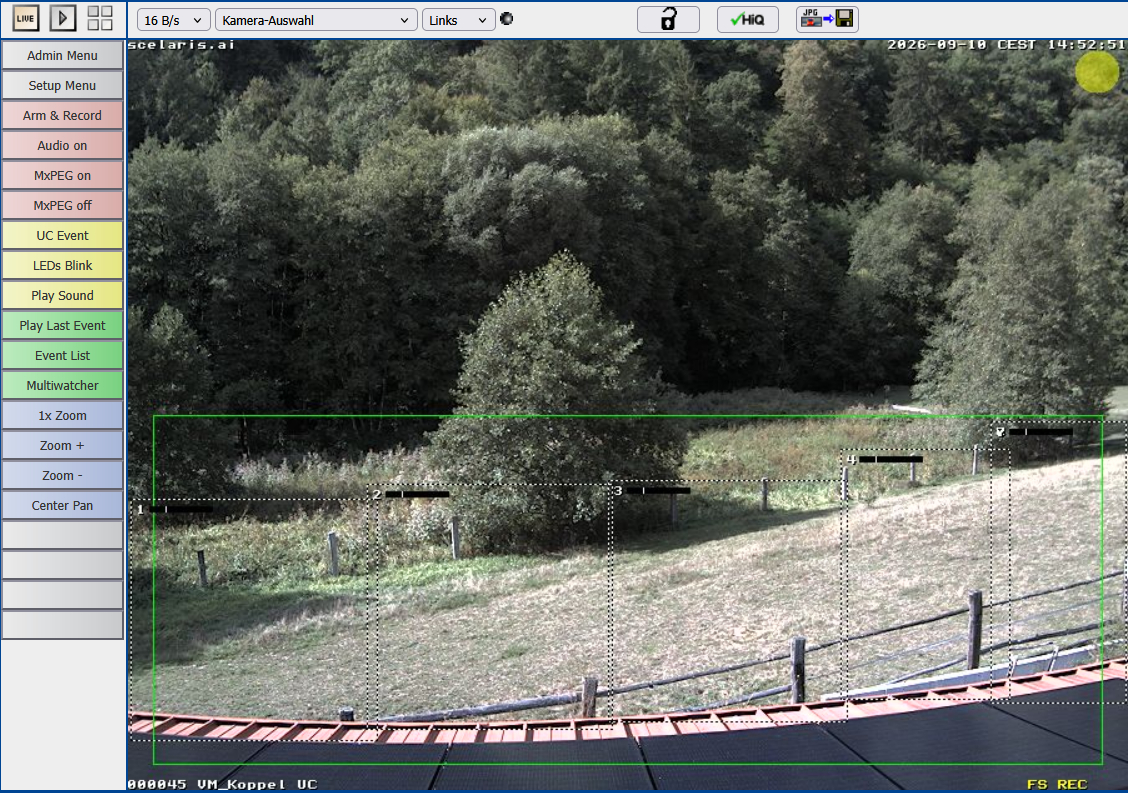
Pasture monitoring with MOBOTIX
Camera-based detection on a real site — the signal source of the VEGA / Windwatch intelligence chain.
View case →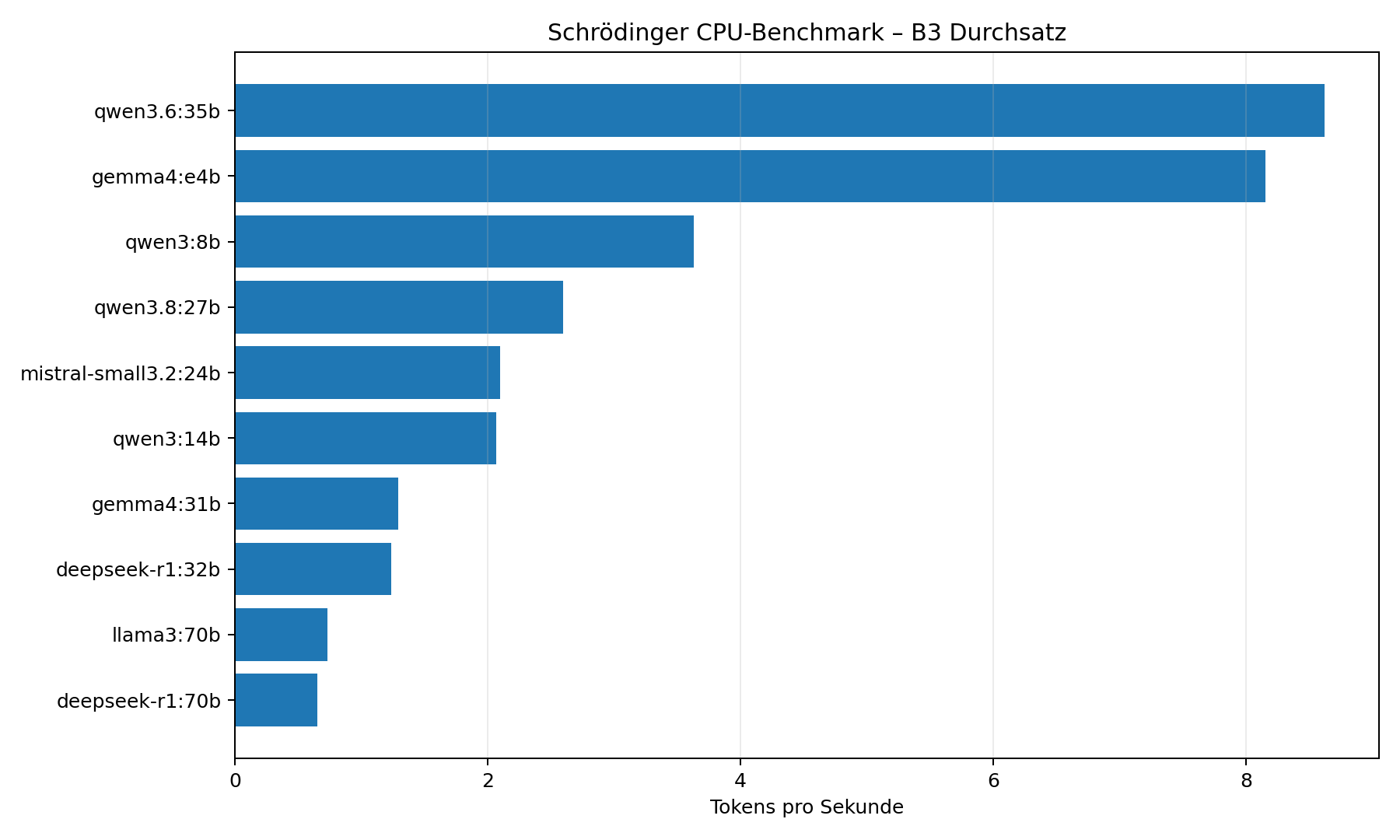
Local AI benchmarking
Measured — not claimed: ten models, one server, controlled workloads. Engineering evidence for real infrastructure decisions.
View case →Real-world implementation: VEGA / Windwatch
The same signal path, applied to a real wind park monitoring scenario.
Detection
A MOBOTIX camera produces event images based on configured detection zones.
Interpretation
A local multimodal/VLM system analyzes the visual content, adding semantic interpretation beyond the camera event trigger.
Workflow
Relevant results trigger automated notifications and further processing.
This is the difference between detecting an event and understanding its relevance.